Belfast Harbour Announces £1.3bn Investment To Secure Port For Future Generations
Belfast Harbour has recently launched an ambitious 25‑year Masterplan setting out £1.3bn of planned investment to ensure that the port remains resilient, efficient and competitive, capable of supporting economic growth across Northern Ireland and the wider island for decades to come.
The Belfast Harbour 2025–2050 Masterplan: Horizons of Opportunity sets out how the Trust Port will expand and adapt to meet rising demand for trade, providing critical additional capacity and further strengthen Belfast’s position as a leading maritime gateway.
Independent analysis by Ulster University and Grant Thornton found that the investments set out in the Masterplan will underpin an increase in the economic output enabled by Belfast Harbour to approximately £12bn in Gross Value Added (GVA) annually from trade handled and support almost 5,500 construction jobs.
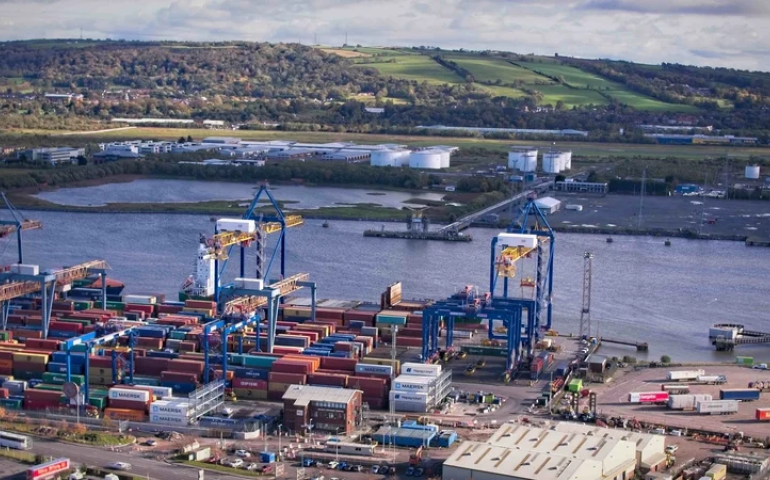
The Masterplan has been developed against the backdrop of clear evidence that capacity at ports along Ireland’s east coast will tighten over the next 20 years. As demand for trade continues to grow and space becomes constrained elsewhere, Belfast Harbour is planning ahead – putting the scale of its estate to work to secure the island’s future port capacity. With an unmatched footprint of approximately 2,000 acres of land and 1,000 acres of water, and long‑term development potential, Belfast Harbour is uniquely positioned to respond.
The Masterplan sets out how the port will provide planned, sustainable capacity where the island needs it most, to support trade flows, strengthen supply chains and enable the growth ambitions of its customers.
External forecasts prepared by port master‑planning experts Haskoning indicate that trade volumes through Belfast Harbour could increase from around 24 million tonnes today to over 30 million tonnes by 2050 under steady growth, and to between 40 million and 50 million tonnes under higher‑growth scenarios. Under every scenario other than decline or stagnation, growth will outpace current infrastructure without planned investment.
The Masterplan identifies a £1.3bn programme of investment in critical port infrastructure to support this growth. It also sets out how the Harbour Estate can continue to integrate port operations, logistics, clean energy and regeneration within a single, connected environment.
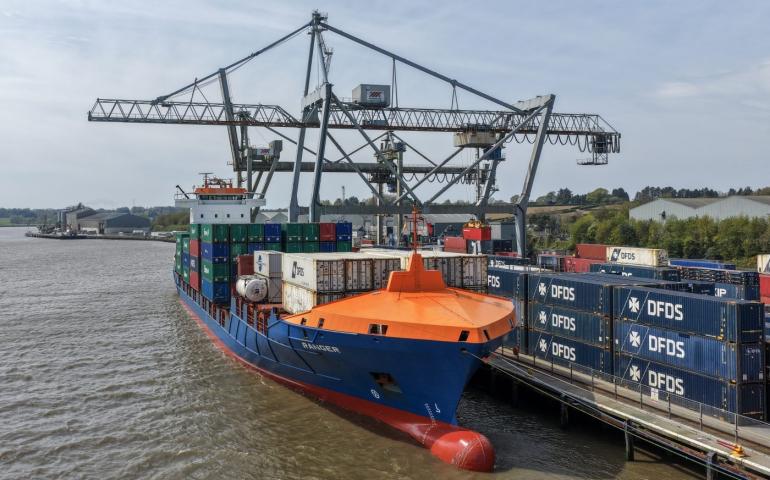
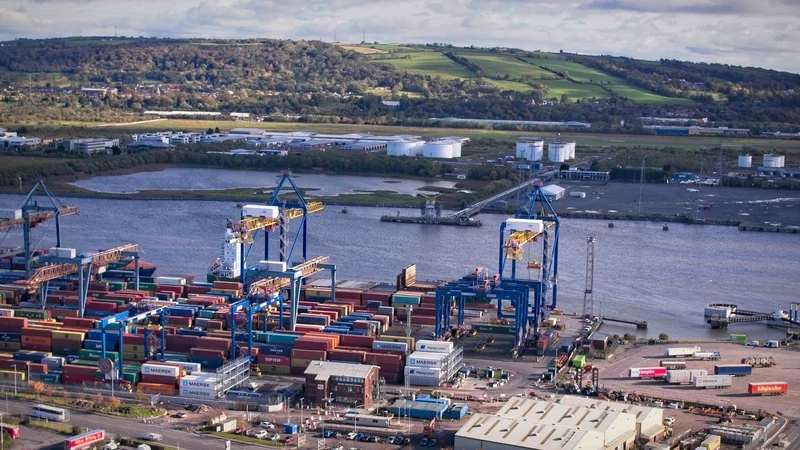
Projects include completion of the £90m D3 deepwater cruise terminal; Belfast’s first land reclamation project in 25 years to create a new freight terminal at West Bank Road; redevelopment of the island’s longest deep water quay – Stormont Wharf; a berth extension to its container terminal for next generation vessels; the first shore power for docked vessels; construction of a new logistics park and a clean energy hub; and creation of a new maritime skills academy to support jobs in the sector.
Together, these plans position Belfast Harbour as the principal maritime gateway on the Dublin–Belfast Economic Corridor (DBEC), strengthening its role as a critical hub for Irish Sea trade and a primary link with Great Britain.