Business hour
Business hours
Monday-Friday: 9am to 5.30pm
Saturday & Sunday: Closed
Monday-Friday: 9am to 5.30pm
Saturday & Sunday: Closed

Unitised traffic on the island of Ireland recorded growth of 3% during the second quarter of 2026. RoRo volumes in the Republic of Ireland increased by 5% year-on-year. In Northern Ireland, RoRo throughput was steady at 234,981 units (234,069 Q2 25). The port of Cork recorded strong growth of RoRo throughput (+29% + 542 units) in Q2. The rate of growth on ROI-EU routes exceeded growth on ROI – GB routes in Q2 (+7% vs +4%). The distribution of All Island RoRo remains in line with previous quarters.
An additional RoRo service commenced this quarter at the port of Larne. The new Larne – Isle of Man service is operated by the Isle of Man Steam Packet company on vessel Ben-My-Chree. According to the Isle of Man Steam Packet Company, the Larne service will operate three times per week year-round. During the peak season, two additional weekly services to Dublin will increase the company’s total number of sailings to the island of Ireland to five per week.
LoLo traffic continued its upward trajectory in Q2 2026. ROI ports handled 345,567 TEU in Q2, a 2% increase relative to the same quarter last year. When viewed over a longer horizon, second quarter LoLo volumes have risen from approximately 310,000 TEU in Q2 2022 to almost 346,000 TEU in Q2 2026. This is the highest Q2 LoLo total recorded by the IMDO and reflects a consistent expansion rather than a sudden shift. In Northern Ireland, Belfast port recorded robust LoLo growth of 8% (+4,453 TEU).
Taken together, Q2 2026 continues the pattern observed in recent years: a stable RoRo market and a steady upward trend in LoLo traffic supported by robust consumption in the Irish economy.
The domestic economy is forecast to continue growing, although the outlook remains subject to considerable uncertainty. According to the Central Bank of Ireland’s latest Quarterly Bulletin, Modified Domestic Demand is projected to increase by 3.3% in 2026. Growth is expected to be supported by strong investment, particularly in AI and data-centre-related capital goods, offsetting weaker consumption as higher energy prices weigh on household incomes. Employment is forecast to grow by 1.2% in 2026, while unemployment is projected to rise modestly to 5.1%. HICP inflation is forecast to increase from 2.1% in 2025 to 3.5% in 2026, largely reflecting higher energy prices associated with the conflict in the Middle East and disruption to the Strait of Hormuz.
Passenger volumes declined at both NI and ROI ports in Q2 2026. NI ports handled 557,814 passengers, falling below the Q2 2019 level of 586,247 after surpassing it in Q2 2025. Passenger throughput at ROI ports also remained below its pre-pandemic level, approximately 90,000 passengers short of the 756,438 recorded in Q2 2019. Passenger vehicle traffic declined year-on-year by 7% at ROI ports and 5% at NI ports. The IMDO will continue to monitor these trends as part of its quarterly assessment of Ireland’s maritime sector.
Unitised traffic on the island of Ireland remained stable in the first quarter of 2026. RoRo volumes in the Republic of Ireland increased by 2% year-on-year. In Northern Ireland, RoRo throughput declined by 2% to 222,837 units.
ROI–GB and ROI–EU RoRo volumes increased in the first quarter. Traffic on ROI–GB routes increased by 4% year-on-year. In January 2025 the Port of Holyhead closed due to damage from Storm Darragh. As this key port remained closed for a period in January 2025, a more relevant comparison is with Q1 2024, where ROI-GB RoRo growth is flat (287,909 units vs 287,716 units).
LoLo traffic continued its upward trajectory in Q1 20261. ROI ports handled 310,692 TEU in Q1, a 1% increase relative to the same quarter last year. When viewed over a longer horizon, first quarter LoLo volumes have risen from approximately 284,000 TEU in Q1 2022 to almost 311,000 TEU in Q1 2026. This is the highest Q1 LoLo total recorded by the IMDO and reflects a consistent multi-year expansion rather than a sudden shift. In Northern Ireland, Belfast port recorded robust LoLo growth of 7% (+3,595 TEU).
Passenger activity recovered in Q1 2026 from the disruption caused by the closure of the Port of Holyhead last year. RoRo passenger numbers increased by 9% in ROI ports, supported by strong numbers at Dublin. Compared with Q1 2024, ROI passenger volumes were 10% lower, a decline of approximately 35,000 passengers. Passenger vehicle volumes at Dublin were also notably higher, increasing by 88% year-on-year. As with passenger numbers, the Holyhead closure due to Storm Darragh weighed on Q1 2025 volumes, making the year-on-year comparison more pronounced.
The composition of the Irish freight market shifted in Q1 2026, as CLDN acquired Samskip’s quay-to-quay and door-to-door freight business between the Continent and UK & Ireland. The IMDO will continue to monitor the impact of such changes on schedules, freight volumes and services.
The wider economic environment continues to show signs of resilience. According to the Central Bank's latest Quarterly Bulletin2, Modified Domestic Demand is forecast to increase by 2.9% in 2026, reflecting underlying strength in household spending and domestic economic activity. This outlook is maintained despite elevated uncertainty stemming from the ongoing geopolitical situation in the Middle East. Employment growth is expected to ease to below 2% per annum, while unemployment remains below 5%. CPI inflation is forecast to rise, driven by higher oil and gas prices linked to the war in Iran.
Taken together, Q1 2026 continues the pattern observed in recent years: a stable RoRo market operating within a narrow range, and a steady upward trend in LoLo traffic driven by increased consumption in the Irish economy. Passenger volumes remain robust in ROI ports and the broader economic backdrop supports ongoing resilience in unitised activity. The IMDO will continue to assess these trends as part of its quarterly monitoring of Ireland’s maritime sector.
In the first half of 2025, unitised traffic on the island of Ireland exhibited diverging patterns across the two principal cargo modes. Roll-on/Roll-off (RoRo) volumes in the Republic of Ireland declined modestly, falling by 2% to 573,038 units, while Northern Ireland recorded a 2% increase to 460,730 units. By contrast, Lift-on/Lift-off (LoLo) throughput grew strongly in the Republic of Ireland, increasing by 11% to 643,631 TEUs, while remaining broadly stable in Northern Ireland at 109,412 TEUs. The combined effect is that all-island RoRo traffic was largely unchanged on 2024 levels, while all-island LoLo volumes rose by 9%.
These traffic outcomes took place against a backdrop of favourable macroeconomic conditions. According to the Central Statistics Office, inflation in Ireland averaged 1.6% in the first half of 2025, below the Eurozone average of 2%. Unemployment stood at 4.7%, compared with 5.9% in the EU, while employment levels remain historically high, with half a million additional jobs created since 2019.1 Fiscal policy has also remained expansionary, supported by elevated corporation tax receipts. The Government’s Summer Economic Statement 20252 announced €34 billion in additional capital investment over the next decade, including electrical grid, water, housing, and transport infrastructure. These indicators point to continued strength in the domestic economy and provide a supportive environment for trade flows through Irish ports.
Within this context, the most notable development in recent quarters has been the divergence in trends between the RoRo and LoLo markets. The IMDO’s analysis using a Hodrick–Prescott (HP) filter of quarterly time series data highlights this divergence clearly. The HP filter is a standard statistical tool used in economics to separate long-term trends from short-term fluctuations. When applied to RoRo and LoLo volumes, it shows that RoRo traffic has plateaued and is gradually declining, while LoLo traffic is on a pronounced upward trajectory. The chart below illustrates these opposing movements, with LoLo throughput reaching new highs while RoRo stabilises.
This juxtaposition is significant for policymakers and industry stakeholders as RoRo and LoLo represent approximately half of all freight transport through Irish ports. Their diverging paths have implications for infrastructure planning and future capacity requirements. The relationship between the two modes is complex, with substitutability varying across markets, routes, and product groups. The IMDO continues to analyse these dynamics and engage with shipping operators, port companies, and trade stakeholders to better understand the drivers.
The evidence to date confirms that the unitised freight market remains resilient, with LoLo recording record throughput in the Republic of Ireland and RoRo volumes holding steady. The differing trajectories underline the importance of continuous monitoring, rigorous analysis, and open dialogue with industry. The IMDO will continue to report quarterly on these developments, providing government and stakeholders with objective and timely information to inform policy and investment decisions.
In the third quarter of 2024, the unitised traffic market, comprised of the Roll-on/Roll-off (RoRo) and Lift-on/Lift-off (LoLo)
sectors, showed contrasting trends.
ROI RoRo volumes recorded a 1% decline compared to Q3 2023. Rosslare-Europort was the only port to record an increase,
with volumes growing by 2%. This was driven by an increase in traffic on Rosslare – GB routes, which have declined
significantly through this port post-Brexit. In Dublin, RoRo volumes fell by 1%, stemming from a drop in Dublin – EU traffic.
However, the fluctuations this quarter were minimal. For the first nine months of the year, RoRo volumes are similar to
those of 2023, lagging just 1% behind. The decrease in 2024 has resulted from small, but consistent declines in driver
accompanied traffic, with unaccompanied RoRo traffic remaining stable. There has also been remarkable stability in the
separate markets for ROI – GB and ROI – EU RoRo traffic, post-Brexit. Since the midway point of 2021, both have averaged
0% monthly growth on a seasonally adjusted basis, indicating no sign of a return to their pre-Brexit levels.
The RoRo market in 2024 can therefore be characterised as steady, but ultimately lacking upward momentum. That stands
in stark contrast to the LoLo market, where volumes are rising sharply. LoLo volumes in Q3 2024 grew by 15% compared
to the same period in 2023, achieving a record high of approximately 320,000 TEU’s in one quarter. For the first nine
months of the year, LoLo volumes are outperforming 2023 by 10%. The sector is on track to exceed the previous annual
record of 1.17 million TEU’s recorded in 2021, when COVID-19 changes in consumer behaviour drove a surge in traffic.
Such growth is a welcome development in this market after a difficult 2023, when inflationary pressures resulted in an
annual decline of 5%. All of the losses from that year are set to be recovered in 2024. All three LoLo ports – Dublin, Cork
and Waterford - have benefited from the increase in traffic, with market shares remaining relatively stable. Among them,
Dublin Port has performed marginally better than its counterpart ports. This is attributable to modal shifts, from RoRo to
LoLo, that have occurred within the port this year.
Overall, more containerised cargo is passing through Irish ports in 2024 compared to 2023. That is not surprising, given
that inflation rates have eased considerably compared to 2023, and domestic demand remains strong. That is reflected in
the latest report by the Central Bank of Ireland, which forecasts domestic demand to grow by 2.4% in 2024 and the
inflation rate to fall to 1.6% for the year. When combined, Irish unitised traffic is performing well in 2024. Combined
volumes are above 2023 and slightly behind 2022. This sector of the Irish shipping market therefore remains stable and
resilient in the wake of rising prices in recent years.
The first half of 2024 has been marked by resilience and steady performance in Ireland's maritime transport sector. Despite
global economic challenges over the past 12 months, including inflationary pressures and shifting energy demands, Irish
ports have maintained strong throughput levels, highlighting their critical role in supporting the national economy.
Strong Economic Environment
Ireland’s broader economic environment has been favorable, with the Central Bank of Ireland noting a robust rebound
from the pandemic and other global disruptions. Rising real incomes, a surge in residential construction, and stabilizing
activities in multinational-dominated sectors have underpinned both domestic and headline economic growth in 2024.
This positive economic backdrop has been crucial in sustaining the volume of goods passing through Irish ports, even as
the global shipping market grapples with challenges.
Roll-on/Roll-off (RoRo) Traffic
RoRo traffic across Irish ports remained stable in the first half of 2024. The Republic of Ireland’s ports handled 584,212
units, a slight 1% decrease from the previous year, largely due to very modest declines at Dublin and Rosslare-Europort.
In Northern Ireland, RoRo traffic increased by 2%, driven by strong performances at Larne and Warrenpoint.
The first half of 2024 saw a mixed performance in Roll-on/Roll-off (RoRo) traffic between the Republic of Ireland and Great
Britain (ROI-GB) and between the Republic of Ireland and mainland Europe (ROI-EU). ROI-GB routes recorded a slight
decline of 1%, with 4,180 fewer units compared to H1 2023. Despite this, the ROI-GB market remains steady, indicating
stable demand and market conditions. ROI-EU routes also experienced a minor decline of 1%, with 1,556 fewer units.
However, the volume on these routes remains significantly higher than pre-Brexit levels, demonstrating the continued
demand for direct services to mainland European ports.
Lift-on/Lift-off (LoLo) Traffic
LoLo traffic experienced a solid upward trajectory, with volumes increasing by 8% across Republic of Ireland ports. Dublin
Port was the standout performer, recording a 9% increase in TEUs. As the report shows, this increase at Dublin Port was
driven largely by a modal shift in the unitised traffic sector. New LoLo services were added to Dublin Port in the second
quarter of 2024, with drove existing RoRo traffic on direct services to mainland European ports to shift towards these new
LoLo services.
Cork and Waterford also posted gains, contributing to overall growth. This steady increase in LoLo traffic underscores the
adaptability of Irish ports in responding to shifting market demands, particularly in the context of the post-Brexit
environment.
Passenger and Passenger Vehicle Traffic
The passenger market at Republic of Ireland ports faced some challenges in H1 2024, with a 3% decrease in overall
passenger numbers. Only Cork reported an increase in passenger volumes, offsetting declines in other regions. The
passenger vehicle market also saw a slight decline of 4%, reflecting broader pressures in this RoRo segment.
Outlook
As Ireland continues to navigate global economic uncertainties, its ports remain a resilient backbone of the national
economy. The Irish Maritime Development Office (IMDO) remains committed to supporting this critical sector, particularly through its involvement in various EU sustainability initiatives. These efforts, combined with the robust economic
conditions highlighted by the Central Bank of Ireland, position the Irish maritime sector for continued growth and
adaptation in the coming years. This report reinforces the importance of the maritime transport sector in facilitating
Ireland's trade and economic stability, ensuring uninterrupted access to international markets through our ports and
shipping services.
RoRo traffic in Republic of Ireland (ROI) ports declined by 2% in the fourth quarter of 2023, to 289,971 units. When compared to recent years, this represents a subdued performance, as it is the first time in five years that RoRo traffic has failed to surpass 290,000 units in the fourth quarter. In the intervening years (2018 – 2022), fourth quarter RoRo volumes averaged 305,000 units. In Northern Ireland, RoRo volumes grew by 4%, to 222,740 units. On the island of Ireland, RoRo traffic amounted to 512,711 units, or 1% higher than Q4 2022.
The 2% decline in ROI RoRo traffic in Q4 2023 was driven primarily by ROI – GB routes. One of the factors behind this decline was the ending of the P&O service between Dublin and Liverpool, which was announced in August 2023. The service wound down in the final months of the year, meaning comparisons between Dublin – GB traffic in Q4 2023 and 2022 were affected. In December 2023, it was announced that Stena Line will enter this market by adding a service between Dublin and Liverpool that will begin in February 20241. The announcement is reflective of two characteristics of the Irish RoRo market. Firstly, the ability for shipping companies to respond quickly and add capacity at relatively short notice, and secondly, the resilience of demand for ROI – GB services, despite post-Brexit declines.
At port level, volumes were mixed. Dublin Port handled 236,571 units, a decline of 5% versus Q4 2022. In Rosslare Europort however, RoRo volumes grew by 12%. At 51,714 units, this is the highest Q4 volume for Rosslare recorded by the IMDO. As mentioned in previous IMDO reporting in 2023, Rosslare RoRo traffic has benefitted from a shift in demand towards direct (ROI – EU) routes following the end of the Brexit transition period. In 2023, the increase in RoRo traffic at Rosslare was driven by an announcement in late 2022 that a Cork-Zeebrugge service operated by Grimaldi would move to Rosslare Europort. Finnlines, a Finnish shipping company that is part of the Grimaldi Group, now operates the service from Rosslare. In February 2023, Finnlines announced that a second vessel will be added to this route from Rosslare.
In the LoLo market, traffic at ROI ports rose by 5% in Q4 2023, to 278,850 TEU’s. In Northern Ireland, volumes grew by 4% through Belfast, and for the island of Ireland, TEU volumes grew by 5%.
The 5% growth recorded in LoLo traffic in Q4 is a welcome development, as it brings to an end four consecutive quarters of steep annual declines, during which time LoLo traffic declined by an average of 8% per quarter. However, the volumes handled this quarter at ROI ports still represent an underperformance. Throughout 2021 and 2022, LoLo volumes averaged above 290,000 TEU’s per quarter.
Overall, unitised (container) volumes, which encompasses both RoRo and LoLo markets, were below trend in Q4 2023, and have stagnated throughout the year. This is not surprising, given the difficult economic environment within which Irish importers and exporters have traded in recent years. Sharp increases in inflation, rising interest rates, and sluggish global growth have suppressed unitised traffic, beginning in the latter half of 2022. However, unitised traffic has also avoided sharp declines, holding onto much of the gains made during the COVID-19 related surge in trade. When the recent challenges are considered, the theme of unitised traffic at ports on the island of Ireland instead becomes one of resilience in 2023.
Overall, unitised volumes, which encompasses both RoRo and LoLo markets, were below trend in Q4 2023, and have stagnated throughout the year. This is not surprising, given the difficult economic environment within which Irish importers and exporters have traded in recent years. However, unitised traffic has also avoided sharp declines. When the recent challenges are considered, the theme of unitised traffic at ports on the island of Ireland instead becomes one of resilience in 2023.
The volume of RoRo traffic at Republic of Ireland ports declined by 2% to 291,879 units in the third quarter of 2023 when compared to the same period in 2022. Traffic to ports in Great Britain and ports in mainland Europe both fell by 2% each. All three Irish RoRo ports – Dublin, Cork and Rosslare Europort – recorded a decline this quarter. For RoRo traffic, July and August are relatively quiet months, as the holiday season is in full force. September however, is a busy month, with volumes typically 3% above average as preparations begin for the pre-Christmas period. In September 2023, volumes declined by 5% when compared to 2022.
In all, the volumes recorded in Q3 2023 are slightly below trend for the Irish RoRo market, whereby the long term trajectory of volumes are roughly 300,000 units per quarter. Passing 1.2m RoRo units for the full year, as was achieved in 2022, is now unlikely, but shipping operators and ports will be hopeful that the busy months of October and November can recoup some of the losses from this year.
In the LoLo market, traffic declined by 6% to 277,60 TEU’s. For each of the three Irish LoLo ports, this is the lowest third quarter performance of the post-Brexit era1. The long term trajectory of Irish LoLo traffic is between 290,000 – 295,000 TEU’s per quarter. The latter half of 2022 and the first three quarters of 2023 has been a difficult period for this sector, with volumes generally below trend.
In Northern Ireland, RoRo traffic performed strongly in Q3 2023, as volumes rose by 3%. In the LoLo sector, traffic was roughly equivalent to Q3 2022. This is a resilient performance from Northern Irish ports in the face of difficult economic headwinds.
For Irish unitised traffic (i.e. RoRo and LoLo), the predominant factor driving declines in 2023 has been high inflation and interest rates, coupled with heightened geopolitical uncertainty. Higher prices, higher borrowing costs, and greater uncertainty serve to suppress demand for finished products such as those transported by the unitised shipping sector.
Irish unitised traffic is sensitive to domestic demand indicators such as Irish consumption levels, GDP and modified domestic demand. On all three measures, the outlook is positive for 2024 in Ireland, as the Central Bank2 predicts increases of more than 2%. Internationally, the outlook is mixed. The IMF3 recently described the global economic outlook as ‘stable but slow’, with global growth expected to fall from 3.5% to 3% in 2023, and 2.9% in 2024.
This characterization by the IMF is reflective of the performance of the global container market, a useful bellwether for the global economic outlook. Clarkson’s Research4 predicts European container exports to both Asia and North America to decline in 2023 by 6% and 10% respectively in 2023. Intra-regional container trade in Europe is expected to decline by 6%. These indicators are highly relevant to Irish ports, as this global containership network is essential for Irish importers and exporters to access international markets.
Overall, resilient domestic demand is offsetting difficult global economic conditions. Irish ports have recorded declines in Q3 2023, but have held on to the gains made in recent years, avoiding steep declines in traffic.
In the first six months of 2023, the volumes handled by the Roll-on/Roll-off (RoRo) and Lift-on/Lift-off cargo modes at Irish ports declined significantly. When compared to the first half of 2022, RoRo volumes fell by 3%, equivalent to 20,000 fewer RoRo units. LoLo traffic fell by 9%, or 55,000 TEU’s, over the same period.
The predominant driver of these declines has been inflation, which has risen considerably both at home and abroad over the last 18 months. Beginning with a rapid rise in energy costs in early 2022, the cost of transporting goods, and the cost of goods themselves, has risen sharply. This has suppressed trade at our ports, with traffic on almost all routes declining to some degree. This report analyses the performance of the unitised (i.e. RoRo and LoLo) freight markets throughout these tough economic conditions.
The report is split into three sections. In section 1, the performance of RoRo traffic in Q1 and Q2 2023 is detailed. The same is provided for LoLo traffic in Section 2. In Section 3, an appendix is provided which includes data for all cargo modes - including bulk traffic, passenger traffic and the IMDO’s iShip index - for the first six months of the year.
In the RoRo market, volumes in Q1 and Q2 declined by 4% and 3% respectively. Volumes in both quarters were below the long term trend for the sector, the benchmark for which is approximately 300,000 units per quarter. When seasonally adjusted, RoRo traffic declined on a quarterly basis in four of the last five quarters. Rosslare-Europort was the only port to record an increase compared to 2022. This was driven by an announcement in late 2022 that a Cork-Zeebrugge service operated by Grimaldi would move to Rosslare Europort. Finnlines, a Finnish shipping company that is part of the Grimaldi Group, now operates the service from Rosslare.
The breakdown in RoRo traffic between ports in mainland Great Britain (ROI – GB) and ports in mainland Europe (ROI – EU) has now exhibited the same post-Brexit trends for ten consecutive quarters. ROI – EU, or direct, RoRo traffic continues to represent 1 in 3 RoRo units, compared to 1 in 6 prior to January 2021.1 As a result, there is no immediate sign of a return to the pre-Brexit makeup of the Irish RoRo freight market.
In the LoLo market, volumes in Q1 and Q2 declined by 7% and 11% respectively. The declines in LoLo traffic were also reflected at an international level. As described in Section 2, global seaborne trade indicators for container traffic exhibited sharp declines, particularly in the early months of 2023, a trend that was mirrored at Irish ports.
Overall, the volumes recorded in the unitised freight market at Irish ports in the first half of 2023 were sluggish, below trend, and reflective of the suppressive effect inflation has had on international trade volumes. However, there are several reasons to be optimistic about the near future for Irish maritime traffic. Firstly, inflation has begun to ease across the EU. In Ireland, the inflation rate in July was 4.6%, its lowest level since September 2021. Secondly, according to latest Central Bank reports, domestic growth in Ireland remains robust and is higher than what was expected earlier in the year. Unemployment is extremely low, and this is creating resilience within the economy. Abroad, EU growth is subdued, while US growth is improving. Both are also buoyed by high employment levels. Most importantly, global inflation rates are easing.
In all, there are positive signals that the declines recorded at Irish ports may be temporary, and that the worst period may have passed. As we have seen from the disruption caused by both Brexit and COVID-19 in recent years, there is a resilience in the Irish maritime freight market that is essential to overcoming economic headwinds such as these.
This study assesses the capacity within the port system to meet present and future demand over the period to 2040, as required
in the National Ports Policy (2013).
The Terms of Reference for this work required consideration of the following:
Demand
To prepare a forecast of the likely demand for Irish imports and exports (goods only).
Capacity
To carry out an assessment of existing capacity and capacity to be added in the short-term, as well as future planned capacity of the Irish ports.
Connections
To understand the importance of connections to the hinterland and how these support the ports.
Risks
To profile the potential risks and threats to future capacity likely to affect the ports.
This study covers all the Irish ports categorised in the NPP as Tier 1 and Tier 2 ports, as well as those of regional significance, with the exception of New Ross. The study has also taken account of the port of Greenore, which is privately owned, and the Northern Irish ports of Belfast, Larne and Warrenpoint.
The ports assessed are presented in Figure I with their classification and 2017 throughput
illustrated.
A key objective of the study is to develop a standardised approach to demand and capacity assessment for the Irish ports going forward. The baseline analysis was undertaken in 2018 using Eurostat data from 2017 and information received from the ports
in June 2018.

Sustainable and Holistic Management of Irish Ports (SHIP) was a three-year project funded under the EPA Research Programme 2014–2020. The project aimed to evaluate the sustainability of Irish ports and support the development of a policymaking framework to minimise and prevent potential environmental damage caused by unsustainable port operation practices.
As an island nation, Ireland relies heavily on its ports and harbours, which are essential to local, regional, and national economies. In 2021, the economic contribution of shipping and maritime transport services to the Irish economy reached €1.6 billion (see Ireland’s Ocean Economy Report 2022). The industry generated €456 million in gross value added and provided an estimated 4,847 full-time equivalent jobs. Given their strategic importance, ports play a crucial role in regional development, economic growth, and global trade.
Ports also contribute significantly to sustainability efforts. Shipping is the most energy-efficient mode of transport for moving freight and goods over long distances. The environmental benefits of shifting freight from road to sea increase in proportion to the transport distance. However, the complex nature of ports—along with the diverse range of activities and stakeholders involved—makes sustainable management challenging. While port activities are expected to expand, the shipping industry is also under increasing pressure to contribute to Ireland’s decarbonisation goals.
SHIP explored ways to address these challenges through active research and engagement with a wide range of maritime stakeholders. The project contributed to national efforts to advance sustainability in the sector by developing a framework to mitigate environmental damage caused by unsustainable port operations in the short, medium, and long term. This framework includes a suite of recommendations and enabling conditions under five key themes: governance, innovation, decarbonisation, linkages, efficiency, and investment. The framework was informed by a literature review, a desktop study of international port practices, and direct engagement with port stakeholders.
The research also highlighted a lack of clarity regarding the roles of specific port stakeholders in shaping future sustainability initiatives and long-term planning for Irish ports. To address this, it is recommended that ports, in collaboration with a diverse range of stakeholders, identify key actors from the public, private, and civil sectors to help develop a shared vision and an implementation plan for their long-term future.
This document outlines the work completed as part of the SHIP project, including research objectives, methodologies, and findings. It also presents a summary of the policy relevance of the research and recommendations for future studies.
This report has been prepared at the request of the Irish Maritime Development Office (IMDO) which is a statutory office within the Marine Institute and operates under the aegis of the Department of Transport.
This report reviews the key considerations in the provision of OPS at Shannon Foynes Port (SFC).
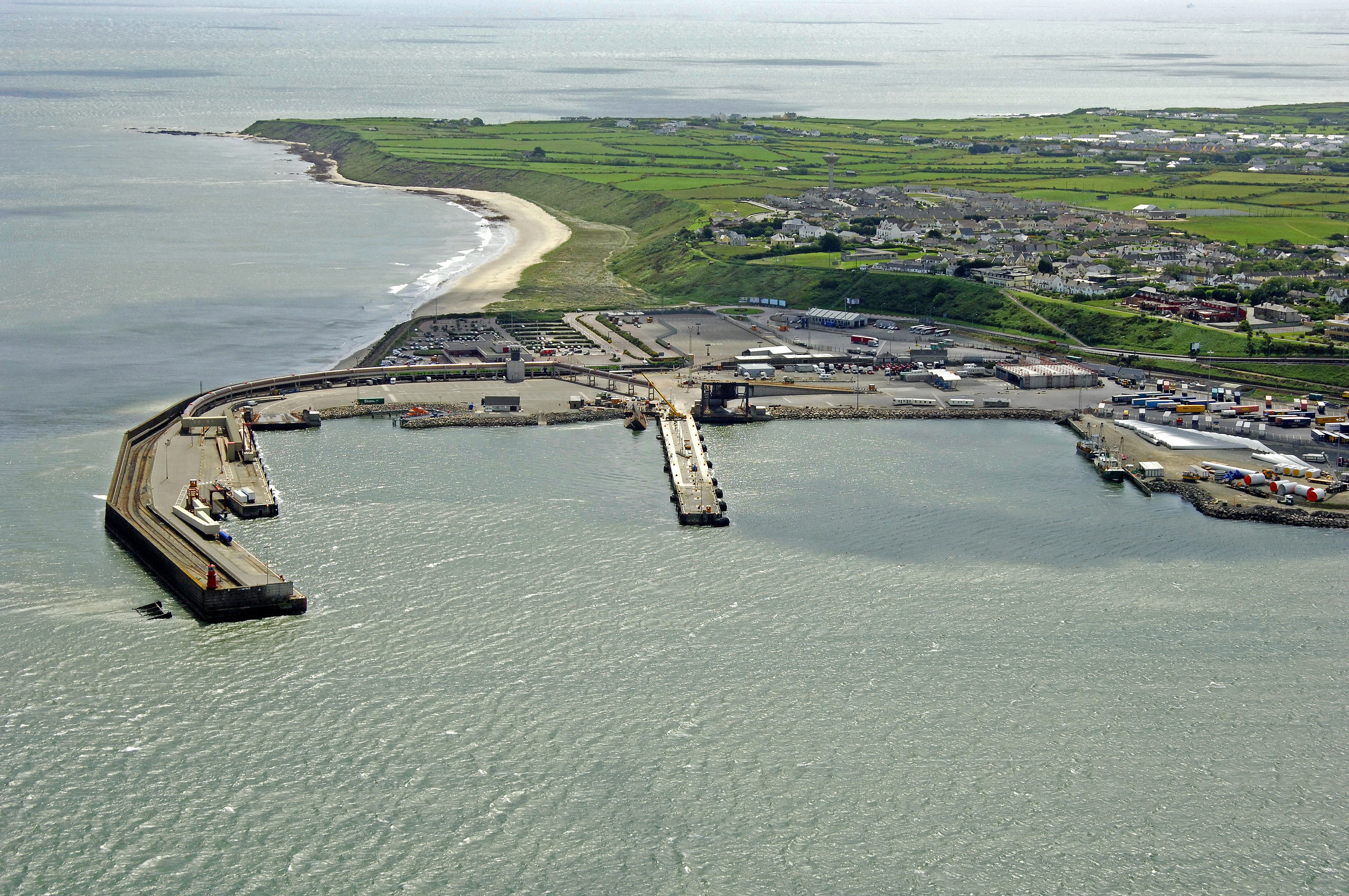
This report has been prepared at the request of the Irish Maritime Development Office (IMDO) which is a statutory office within the Marine Institute and operates under the aegis of the Department of Transport.
This report reviews the key considerations in the provision of OPS at the Rosslare Europort (REP).
This report has been prepared at the request of the Irish Maritime Development Office (IMDO) which is a statutory office within the Marine Institute and operates under the aegis of the Department of Transport.
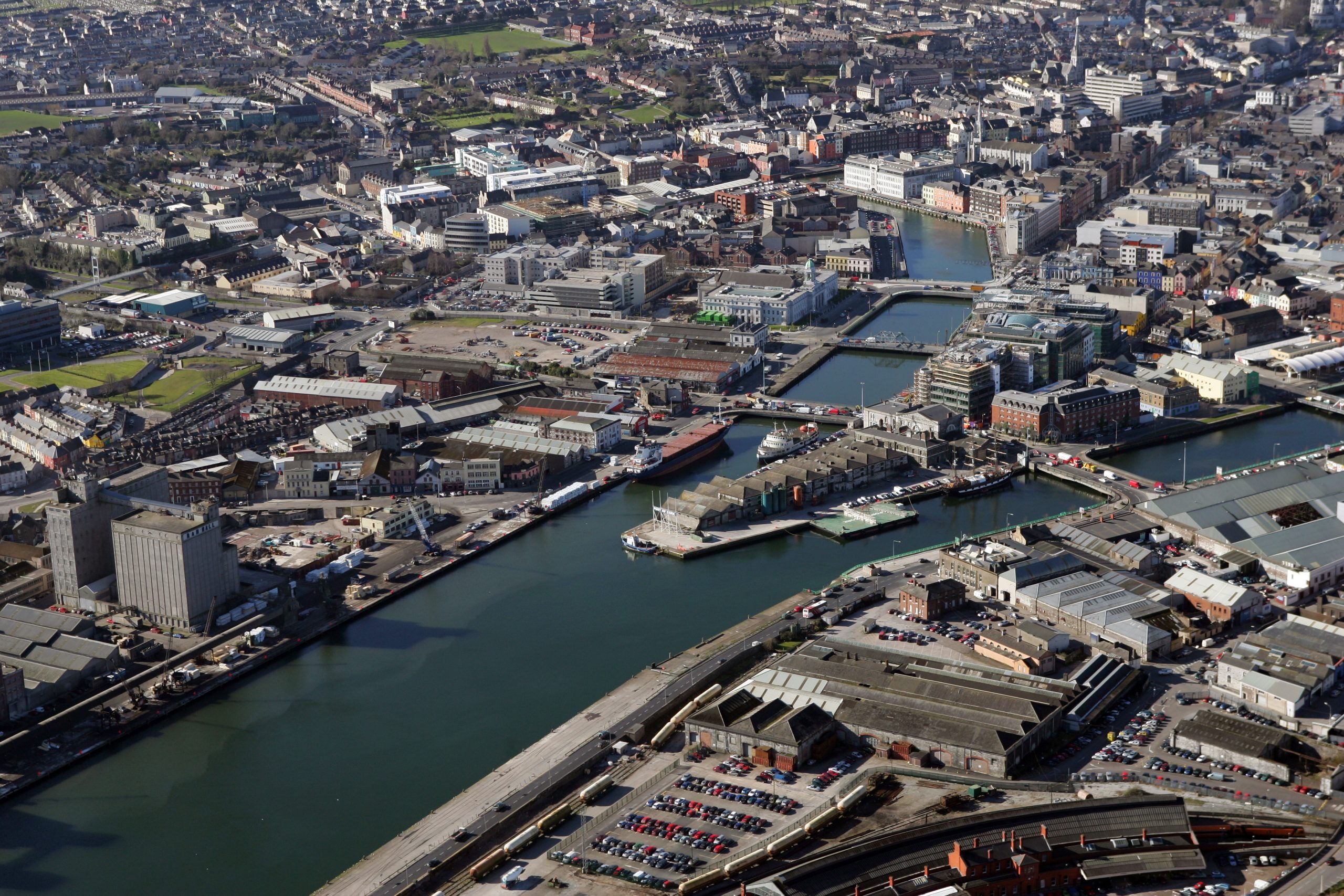
This report reviews the key considerations in the provision of OPS at the Port of Waterford (POW).
This report has been prepared at the request of the Irish Maritime Development Office (IMDO) which is a statutory office within the Marine Institute and operates under the aegis of the Department of Transport.
The IMDO is a partner on the EALING project (European flagship action for cold ironing in ports) that is co-financed by the Connecting Europe Facility of the European Union.
The EALING project aims to study, promote and accelerate the effective deployment of Onshore Power Supply solutions (OPS) in the EU maritime ports.
The requirements regarding the deployment of OPS solutions in EU ports are outlined in current and expected EU Legislation. In this regard, the IMDO have selected the Port of Corks Ringaskiddy Port as a case study to establish the key considerations in the provision of OPS at Irish ports
This report will look at the following:
The 'fit for 55' package, presented by the EU in July and December 2021, is designed to realise the European Climate Law objectives: climate neutrality by 2050 and a 55 % reduction of net greenhouse gas (GHG) emissions by 2030, compared with 1990 levels.
The use of OPS in port settings is one of a number of measures put forward for the maritime transport sector to help meet the aforementioned objectives. These measures are summarised as follows:
While the primary objective of utilising OPS is to assist in the drive for climate neutrality, their use has the following additional benefits.

The Irish Maritime Development Office, working on behalf of the Department of Transport commissioned Steelesrock
Strategy Consulting to undertake a scoping study on the future skills needs in the Irish Maritime industry. The need for such
a study arises from a desire to fill two knowledge gaps around the skills and training needs in Ireland’s maritime sector. The
first concerns identifying changes in the sectors skills requirement since the publication of the Expert Group on Future Skills
Needs in 2015; secondly, the need to understand how changes in the maritime sector, including plans to accelerate the
development of the Offshore Renewable Energy sector, may result in the need for new skills; and finally, the impact for these
skills on ports and related maritime industry sub-sectors.
This study focuses on the underpinning future skills requirements of five sub-sectors of Ireland’s maritime economy: Maritime
transport (incorporating shipping and ports); Shipbuilding and related services; Offshore renewable energy and Alternative
fuels; Marine tourism; and Maritime monitoring, security and surveillance. All of these sectors include elements of maritime
commerce, and this is considered principally under maritime transport in keeping with current and past practices in the
reporting of the maritime economy. The chosen time horizon for the study was approximately 10 years. In keeping with the
nature of a scoping study, the terms of reference were high level, necessitating a broad review of the maritime sub-sectors
including consideration of the likely changes they face and how these might drive their skills needs.
Broadly, this study has followed a methodology that included a desk study of education standards and structures both in
Ireland and internationally; consideration of key international trends of relevance to the maritime industry; characterisation
of the Irish maritime industry as it exists today, and the current and likely future state of the Irish economy. This desk study
informed a series of semi-structured interviews with 27 industry, trade-association, and state-sector stakeholders. Finally, a
consideration of the feedback from interviews and material from the desk study provided the basis for several conclusions,
observations and recommendations.
This report has been prepared at the request of the Irish Maritime Development Office (IMDO) which is a statutory office within the Marine Institute and operates under the aegis of the Department of Transport.
The report reviews the key considerations in the provision of OPS at Dublin Port.
This report will look at the following:
The 'fit for 55' package, presented by the EU in July and December 2021, is designed to realise the European Climate Law objectives: climate neutrality by 2050 and a 55 % reduction of net greenhouse gas (GHG) emissions by 2030, compared with 1990 levels.
The use of OPS in port settings is one of a number of measures put forward for the maritime transport sector to help meet the aforementioned objectives. These measures are summarised as follows:
While the primary objective of utilising OPS is to assist in the drive for climate neutrality, their use has the following additional benefits.
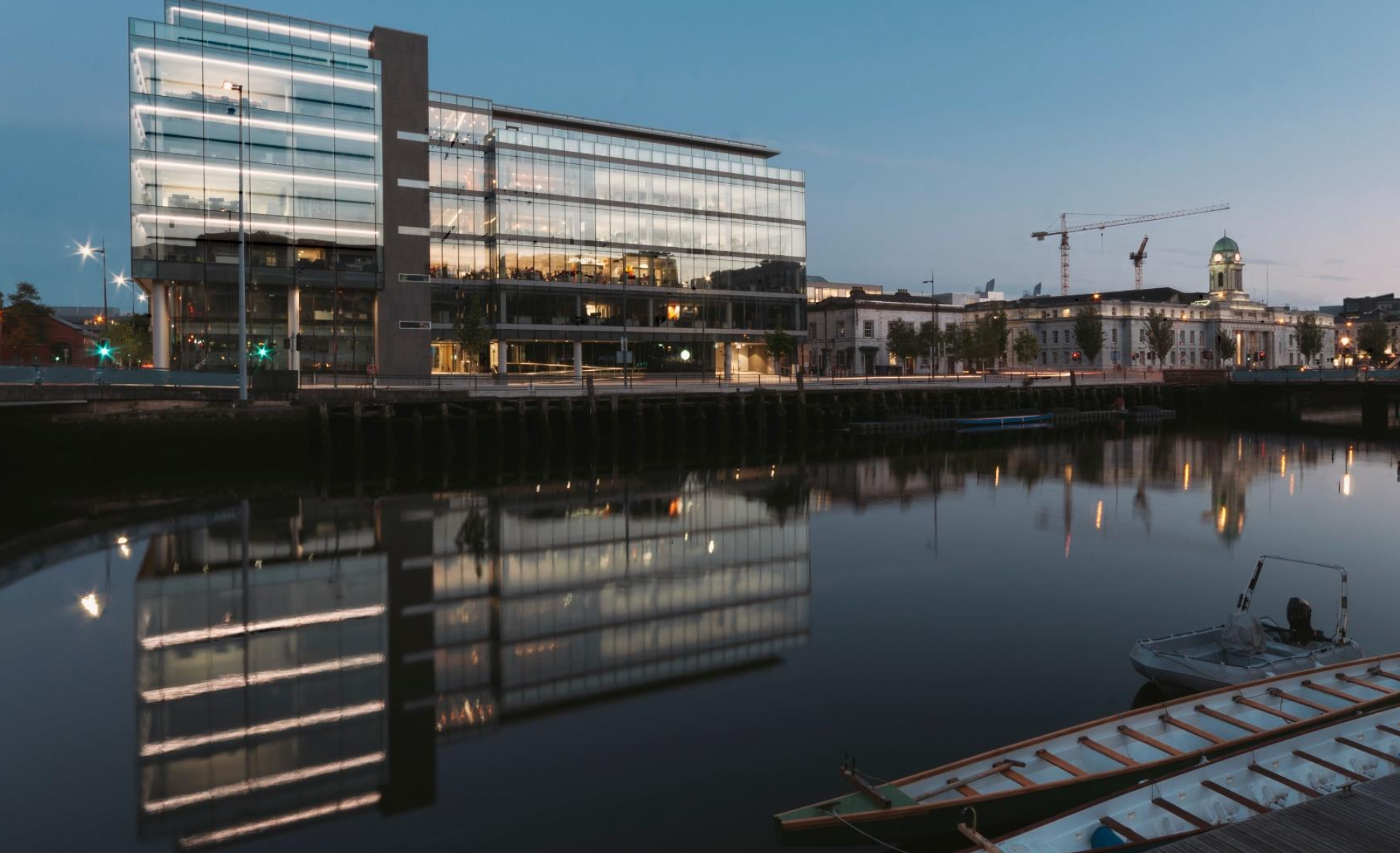
The vision for Cork’s ISSC is to be recognised as a global centre of excellence providing integrated shipping services to national and international companies.
This will be achieved by attracting global companies and also extending Ireland’s existing enterprise sectors such as Finance, ICT, Energy and others into a range of new marine-related markets, to enable Ireland to reach its full growth potential.
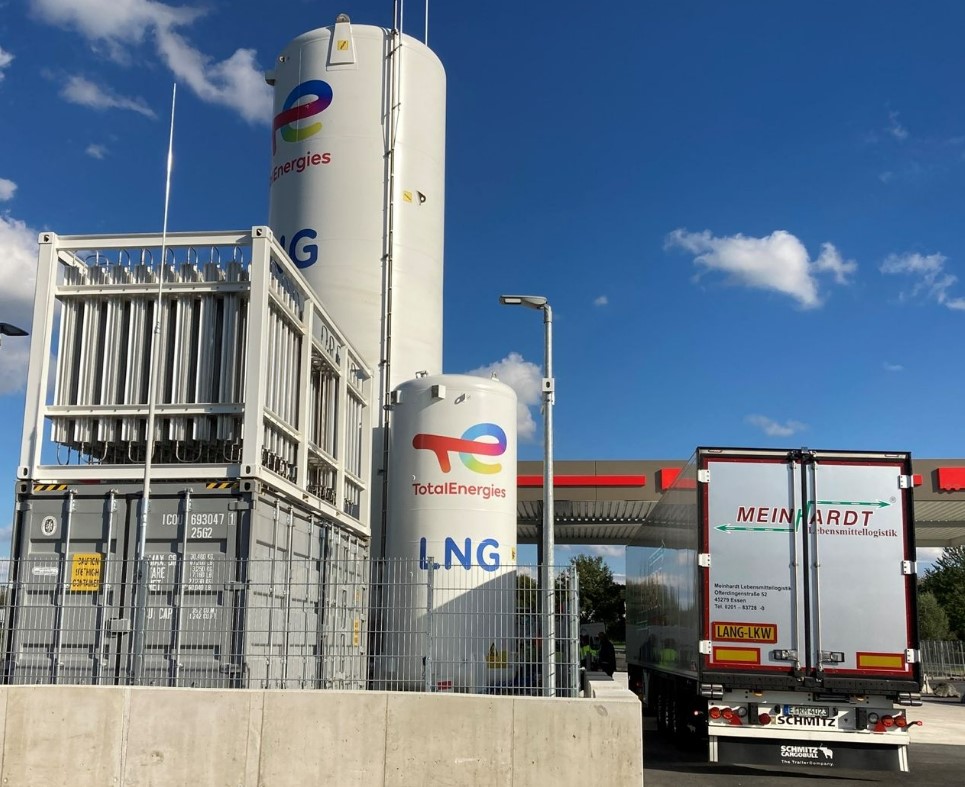
The EU Commission's alternative fuels strategy aims to reduce the transport sector’s reliance on fossil fuels, with Directive 2014/94/EU mandating shore-side electricity (SSE) and LNG refueling infrastructure in TEN-T Core Network ports by 2025, unless demand or cost barriers exist. This report examines the feasibility of SSE for seagoing ships and the market demand for LNG refueling in Irish ports by analyzing successful Alternative Fuel Infrastructure (AFI) deployments in major ports like Rotterdam, Oslo, and Vancouver. Findings indicate that successful AFI implementation depends on economic factors such as low energy costs, geographic advantages, and strong regulatory support, highlighting the need for strategic policy and investment in Ireland.
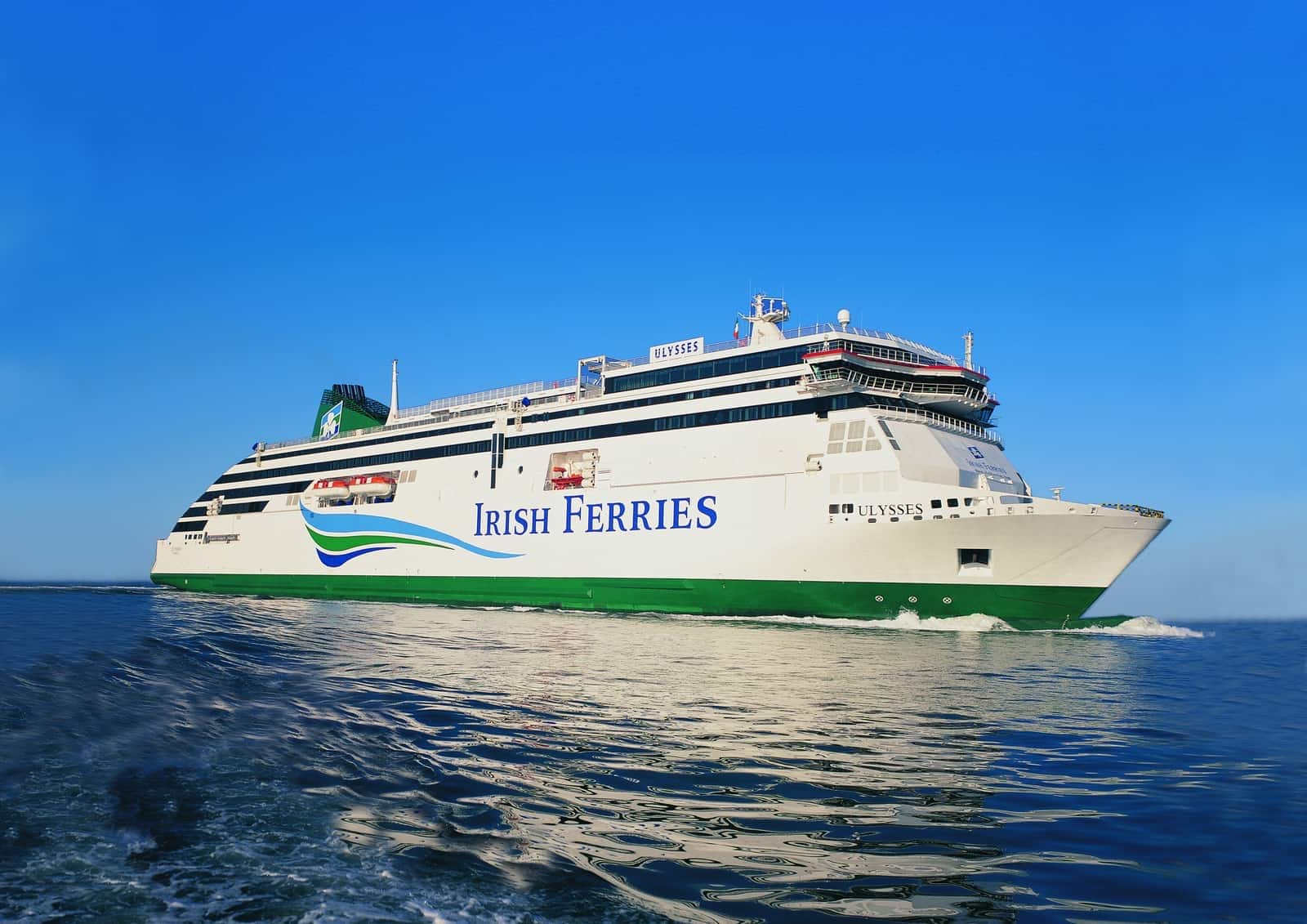
The UK Landbridge is a crucial trade route connecting Irish importers and exporters to international markets via the UK’s road and port network. Favored for its speed, it handles over 3 million tonnes of goods annually. However, Brexit introduces customs and border controls, increasing transit times and costs, which could weaken Irish trade competitiveness. A study assessing landbridge traffic highlights its significance and the challenges posed by Brexit. While Irish ports and shipping companies are preparing by expanding direct services, the study recommends protecting landbridge access, leveraging technology, securing financial support, and adapting EU transport policies to maintain Ireland’s connectivity to the single market.
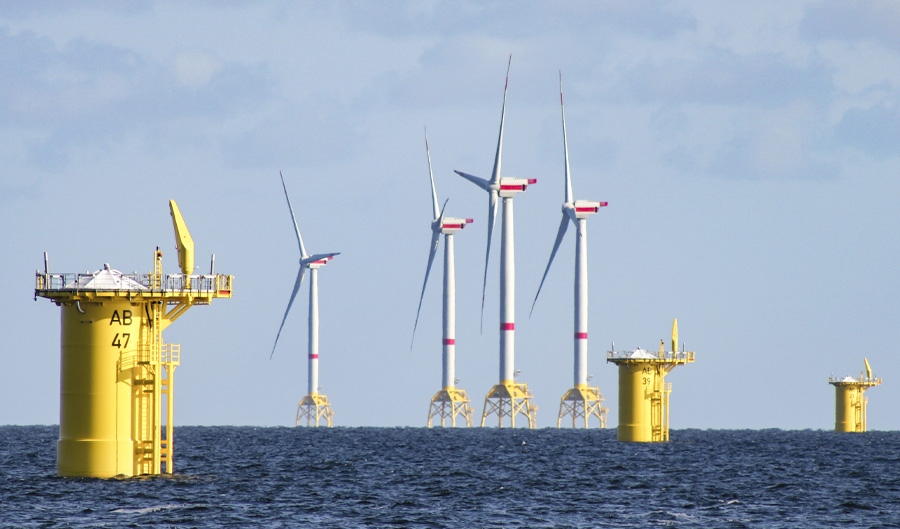
The offshore renewable energy (ORE) sector in Europe has tripled since 2012, driven by offshore wind investments exceeding €22 billion and a growing focus on cost reduction and innovation. Despite having some of the largest offshore renewable resources in Europe, Ireland's development remains limited, with only one offshore wind project to date. However, new policies like the Renewable Energy Support Scheme (RESS) are encouraging investment, with projections of 1,500MW to 5,200MW of ORE capacity by 2030, primarily offshore wind. Belfast Harbour has emerged as a key offshore wind hub, demonstrating the infrastructure needed to support large-scale projects. If Ireland’s ORE sector expands rapidly, similar port facilities will be essential. Ireland’s Tier 1 ports—Dublin, Cork, and Shannon Foynes—have already invested over €370 million and identified ORE as a strategic growth area, positioning them to support future development through infrastructure and policy advancements.
The Irish Maritime Development Office (IMDO), established in 1999, is the national agency responsible for developing Ireland’s maritime industry and advising the government on policy to drive economic growth and employment. A key initiative is the report Ship Finance: Opportunities for the International Shipping Industry, prepared with KPMG and Dillon Eustace, which highlights Ireland’s advantages as a ship financing hub. These advantages include strong business fundamentals, a rapidly growing economy, and a competitive tax regime featuring a 12.5% corporate tax rate and favorable maritime finance policies. Additionally, Ireland’s legal system, based on common law, offers stability and efficiency for maritime businesses. The report concludes that Ireland’s success in sectors like aircraft leasing positions it well to become a leading center for ship finance, attracting global investment and fostering industry expansion.
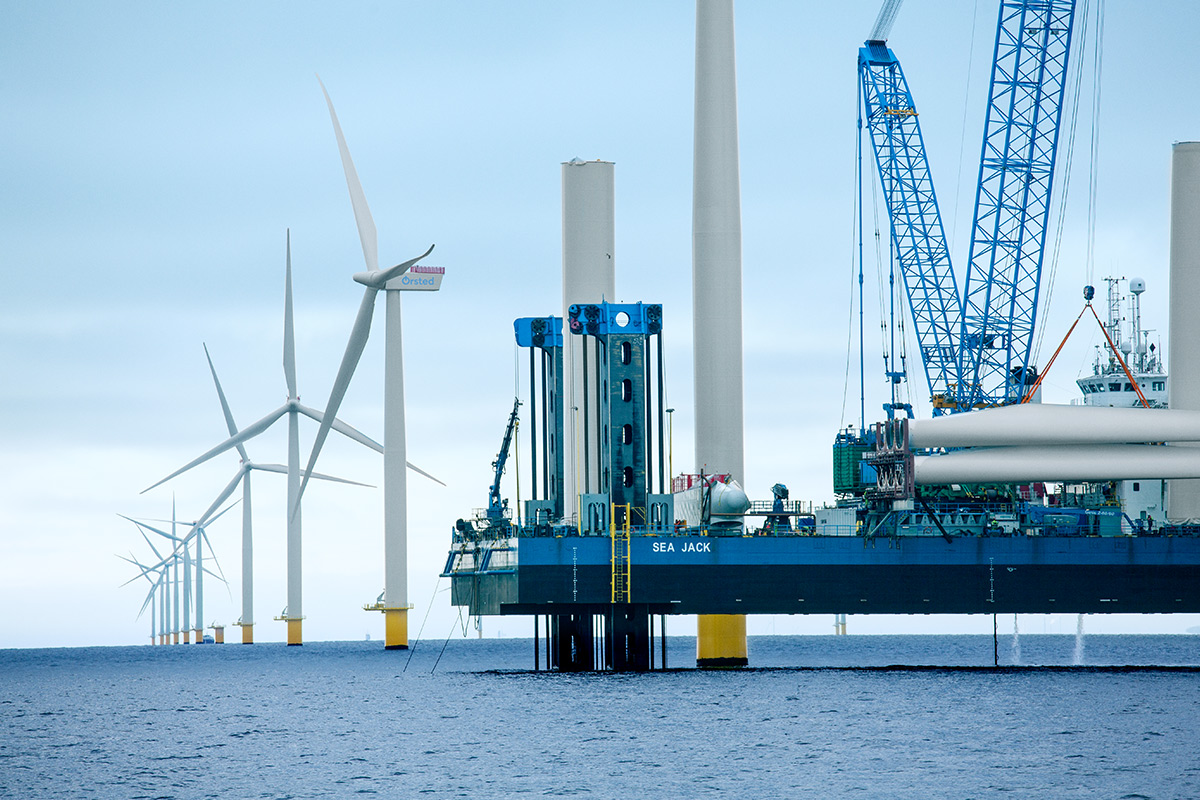
Ireland possesses one of the world’s highest offshore renewable energy potentials, with up to 73,000 MW available from wind, wave, and tidal sources, and the sector is set to grow significantly, particularly in offshore wind farm operations in the Irish Sea, with £17 billion in investment from the UK alone. Ports play a crucial role in supporting this industry, and the Irish Ports Offshore Renewable Energy Services (IPORES) report evaluates 14 Irish ports for their capacity to meet these demands, categorizing them based on infrastructure readiness. While ports in the UK and Germany have already developed dedicated facilities, Irish port stakeholders have raised concerns about the lack of coordination, clear leadership, and a streamlined foreshore licensing system. Recommendations include creating a national website to centralize port information, conducting a detailed analysis of job creation potential, and assessing government initiatives in competing European locations to position Ireland as a key player in offshore renewable energy.
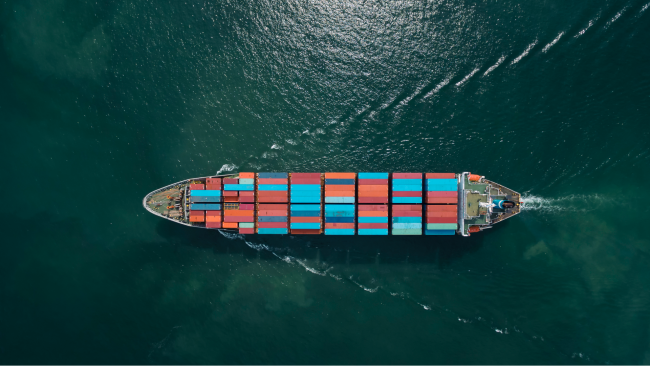
2025 was an extraordinary year for international maritime trade. Ireland’s ports and shipping companies operated in an environment of increased geopolitical tension, logistical disruption, and significant policy
development. As a result, decisions affecting trade flows and capacity were shaped as much by external circumstances as by underlying domestic demand.
The relevance of these developments for Ireland is clear. In a highly trade-dependent island economy, disruption to global trade has a direct bearing on the cost, competitiveness and resilience of the seaborne services on which the economy relies. Against this backdrop, it is appropriate to take stock of Irish trade flows and the port infrastructure that supports them. This report provides that assessment, identifying how global influences, domestic demand and structural change interacted across Irish trade flows and port activity in 2025.
With a trade-to-GDP ratio of 246%, Ireland remains one of the most trade-dependent economies in the world and is therefore particularly exposed to shocks in global trade and consequential impacts in shipping and energy markets. As approximately 90% of traded goods by volume move by sea, the performance and resilience of Ireland’s maritime sector are of strategic importance to the national economy.
Despite these pressures, an overarching theme of recent IMTE publications has been one of resilience. At the midpoint of the decade, Irish trade has already weathered the pandemic, the end of the Brexit transition period, the Russian invasion of Ukraine and the temporary closure of Holyhead, each of which placed significant pressure on trade flows and supply chains. Continued population growth, changing trade patterns, the rising share of unitised freight and the energy transition are placing new demands on our maritime industry, highlighting the importance of capacity provision, operational efficiency and long-term infrastructure planning.
The Irish Maritime Development Office (IMDO)’s iShip index grew by 2% following a sharp decline in 2023. This was driven in part by a rise in bulk traffic through our ports, particularly dry bulk, where seven out of nine dry bulk ports recorded growth. In the liquid bulk market, volumes declined by 8%. However, this was driven almost entirely by a fall in exported products. Ireland’s dependency on imported liquid bulk products, such as transport fuel and home heating oil, remains remarkably stable. For ten consecutive years, Ireland has imported approximately 9 million tonnes of liquid bulk goods, with variation of just 4% on average over that time. This shows a consistent demand pattern in the Irish economy for oil-based products, the majority of which is consumed by the transport sector.
There were mixed results in the Roll-on/Roll-off (RoRo) and Lift-on/Lift-off (LoLo) sectors, collectively referred to as the unitised, or containerised sector of Irish port throughput. RoRo traffic declined slightly, by 1% in 2024, following on from a 2% decline recorded in 2023. These modest declines are not attributable to a particular port or route. Rather, trend analysis undertaken by the IMDO using its long-standing time series of port throughput shows that volumes in this sector have plateaued and possibly entered a period of slight contraction. This is at odds with trends in the LoLo sector, where volumes reached record highs in 2024, increasing by 10% and averaging more than 100,000 Twenty-foot equivalent units (TEU’s) per month for the first time. This is consistent with the performance of global seaborne container trade, which grew by 6% in 2024. The volume of container traffic through the key European hub ports of Rotterdam and Antwerp grew by 8% and 3% respectively, adding approximately 1 million TEU’s of throughput when combined.
The impressive growth in the Irish LoLo sector in 2024 represents a strong rebounding, as it follows a 5% decline in 2023- driven by a steep rise in global inflation. It will come as a welcome sign then, that inflation in Ireland and across Europe declined significantly in 2024. The rate of goods inflation in Ireland, which excludes services and is more relevant to importers and exporters of merchandise goods, decreased in 2024, with prices 1.5% lower than a year earlier, as measured by Harmonised Index of Consumer Prices. Across the European Union (EU), goods disinflation was recorded, falling from 6.9% in 2023 to 1.3% in 2024. Alongside these encouraging metrics were positive economic growth figures both domestically and in the economies of our largest trading partners. Irish modified domestic demand remains robust, growing by 2.7% in 2024. In both the UK and EU economies, real GDP grew by 1% each, while real GDP in the United States grew by 2.8%.
Domestic and foreign demand patterns are key predictors of Irish port throughput, especially in the containerised sector, which handles mainly manufactured goods, and such growth underpinned the rise in container traffic at Irish ports in 2024.
There were further encouraging developments in 2025 with the announcement of a new agreement between the EU and the UK in May. This marked a constructive step toward improving trade conditions with Great Britain, Ireland’s largest maritime trading partner. More than one third of all Irish port traffic involves ports in Great Britain, underlining the importance of this relationship. A central feature of the agreement was the reform of Sanitary and Phytosanitary (SPS) measures, reducing complexity in inspections and documentation. These changes are particularly advantageous for Irish agri-food exporters, easing logistical challenges and enhancing market access.
Liam Lacey, Director of the IMDO, commented; “I would like to extend my sincere thanks to everyone working across the maritime transport sector for their essential role in maintaining and strengthening Ireland’s international trading relationships. Your efforts continue to support economic growth, enhance efficiency, and promote national competitiveness. I would also like to thank all those who contribute to and engage with this publication. Your support and input are vital to its continued value and impact.”
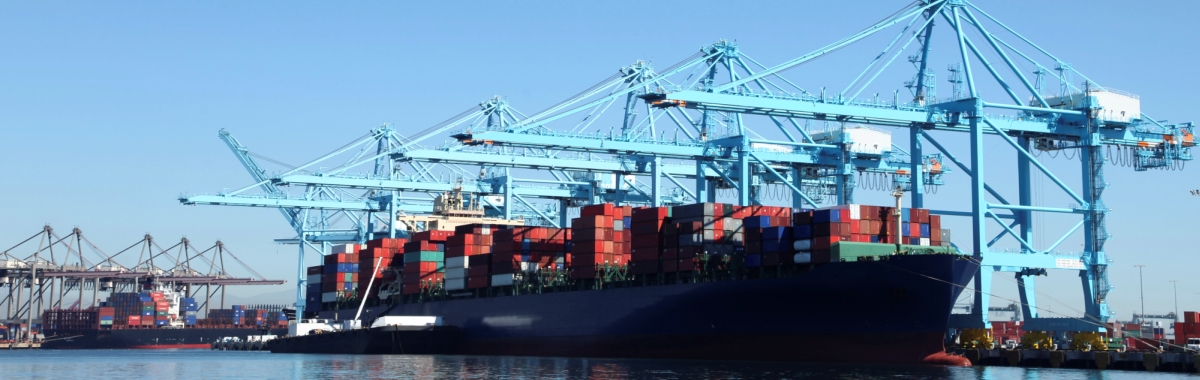
The Irish maritime industry faced a series of global challenges in 2023. Prices rose sharply across large economies, suppressing consumption at home and abroad. In addition, the global energy transition continued to alter the makeup of raw materials arriving at Irish ports. As a result, both container and bulk traffic through Irish ports declined in 2023. But the industry remains resilient, and is facilitating robust Irish domestic demand in what was a year of challenging economic conditions.
The issues facing the Irish shipping market in 2023 can be understood under the themes of inflation and energy transition. Following a sharp rise in 2022, global inflation rates remained high in 2023. High inflation has suppressed demand for manufactured or consumer goods, such as those carried in containerised form, and this is evident in global seaborne trade volumes. World seaborne container trade grew by just 0.3% in 2023, which, excluding the impact of COVID-19, is the slowest rate of growth since the financial crisis of 2008. LoLo traffic through Republic of Ireland ports declined by 5% in 2023, while RoRo traffic fell by 2%. When converted, the volume of container traffic through Irish ports fell by approximately 3% in 2023.
In order to tackle these inflation rates, Central Banks in major economies swiftly raised interest rates which had the effect of slowing economic growth.
Driven by these challenges, RoRo and LoLo volumes at Irish ports underperformed in 2023 relative to their long term trend, and underlying growth in both sectors is currently flat. That is not surprising, given the difficult economic environment within which Irish importers and exporters have traded in recent years, a period which includes COVID-19, Brexit, the Russian invasion of Ukraine and steep increases in energy prices. When these challenges are considered, the theme of unitised traffic at Irish ports becomes one of resilience. Both RoRo and LoLo traffic at Irish ports in 2023 is at almost exactly the level it was in 2019. In addition, Irish traders are connected to a greater number of mainland European ports than ever before, as post-Brexit capacity has become more diverse. Given the challenges faced in the intervening years, that is a remarkable performance and testament to the durability and adaptability of the Irish ports and shipping networks.
The decline in total Irish port tonnage in 2023 was also heavily influenced by dry bulk products, and this is indicative of the fact that as the Irish economy transitions away from fossil fuels, the composition of raw materials arriving at our ports will be reshaped. Dry bulk volumes, which are comprised of loose, non-containerised products for industrial or agricultural purposes, fell by 14% to its lowest total since 2010. The decline was driven in large part by two commodities: coal and fertiliser.
As reported by the Sustainable Energy Authority of Ireland (SEAI), 50% of Ireland’s electricity generation comes from pipelined natural gas, with a further 37% from wind energy. However, the movement of fossil fuels through Irish ports is likely to be replaced by other traffic, such as wind turbines and infrastructure related to battery technology, and this will be captured in cargo modes other than dry bulk. Irish port infrastructure will need to adapt to these changes in Irish energy generation in the coming years.
Liam Lacey, Director of the IMDO, commented:
“The IMTE is a collaborative effort that relies on the support and confidence of industry stakeholders including the ports, shipping operators, industry bodies and the Department of Transport. The maritime transport sector is a success due to the vitally important work these stakeholders do. Maritime transport is the lifeblood of Irish trade, responsible for 90% of all goods transported internationally. The sector underpins growth, efficiency and competitiveness in our economy and 2023 was another year of uninterrupted access to international markets through our ports and shipping services. The sector’s record of meeting and overcoming significant challenges instils confidence. We look forward to working with all stakeholders to ensure that our maritime industry continues to serve the existing and future needs of the Irish economy.”
Lorem ipsum dolor sit amet, consectetur adipiscing elit. Maecenas pharetra arcu sit amet magna dictum, vel molestie justo auctor. Sed quis eleifend risus. Fusce efficitur porttitor nunc sit amet vulputate. Donec rhoncus felis lectus. Cras efficitur, tortor finibus molestie placerat, dolor risus efficitur nisi, quis tempor arcu libero vitae risus. Sed non elit est. Morbi mollis nunc in sem ultrices, at facilisis orci scelerisque. Nunc at lectus neque. Donec turpis metus, laoreet eget risus vehicula, vehicula ornare quam.
Morbi pulvinar dignissim lectus imperdiet efficitur. Morbi ornare nisl ut lacus tempor eleifend. Sed interdum nunc nec mauris varius, vel finibus metus interdum. Nunc sapien ex, iaculis eu metus ut, suscipit consequat justo. Cras vitae purus dolor. Curabitur venenatis ante a metus euismod lacinia. Mauris pharetra sem et ipsum tincidunt, eu facilisis erat condimentum. Curabitur sed ultrices lacus. Phasellus pharetra eget ante ut consequat. Nullam id massa vitae libero placerat varius.
Sed mollis vitae nunc posuere dapibus. Nullam nec dui mi. Maecenas interdum et tellus at maximus. Morbi non lacus mi. In blandit convallis scelerisque. Donec ac erat posuere, dapibus nunc finibus, tincidunt purus. Nulla egestas tincidunt massa vitae ultricies. Ut aliquet cursus nisi, quis aliquet lectus finibus non. Sed nec elementum ex. Duis sit amet congue lectus. Nunc eleifend a orci nec mattis.
Aliquam at eros non ex suscipit cursus. Pellentesque imperdiet consectetur turpis ac pretium. Aliquam turpis nulla, elementum et arcu et, sodales imperdiet nibh. Vestibulum fermentum pellentesque efficitur. Interdum et malesuada fames ac ante ipsum primis in faucibus. Fusce ac sagittis ipsum. Donec efficitur dictum elit. Nam elementum erat et leo dictum ornare.
Lorem ipsum dolor sit amet, consectetur adipiscing elit. Maecenas pharetra arcu sit amet magna dictum, vel molestie justo auctor. Sed quis eleifend risus. Fusce efficitur porttitor nunc sit amet vulputate. Donec rhoncus felis lectus. Cras efficitur, tortor finibus molestie placerat, dolor risus efficitur nisi, quis tempor arcu libero vitae risus. Sed non elit est. Morbi mollis nunc in sem ultrices, at facilisis orci scelerisque. Nunc at lectus neque. Donec turpis metus, laoreet eget risus vehicula, vehicula ornare quam.
Morbi pulvinar dignissim lectus imperdiet efficitur. Morbi ornare nisl ut lacus tempor eleifend. Sed interdum nunc nec mauris varius, vel finibus metus interdum. Nunc sapien ex, iaculis eu metus ut, suscipit consequat justo. Cras vitae purus dolor. Curabitur venenatis ante a metus euismod lacinia. Mauris pharetra sem et ipsum tincidunt, eu facilisis erat condimentum. Curabitur sed ultrices lacus. Phasellus pharetra eget ante ut consequat. Nullam id massa vitae libero placerat varius.
Sed mollis vitae nunc posuere dapibus. Nullam nec dui mi. Maecenas interdum et tellus at maximus. Morbi non lacus mi. In blandit convallis scelerisque. Donec ac erat posuere, dapibus nunc finibus, tincidunt purus. Nulla egestas tincidunt massa vitae ultricies. Ut aliquet cursus nisi, quis aliquet lectus finibus non. Sed nec elementum ex. Duis sit amet congue lectus. Nunc eleifend a orci nec mattis.
Aliquam at eros non ex suscipit cursus. Pellentesque imperdiet consectetur turpis ac pretium. Aliquam turpis nulla, elementum et arcu et, sodales imperdiet nibh. Vestibulum fermentum pellentesque efficitur. Interdum et malesuada fames ac ante ipsum primis in faucibus. Fusce ac sagittis ipsum. Donec efficitur dictum elit. Nam elementum erat et leo dictum ornare
Lorem ipsum dolor sit amet, consectetur adipiscing elit. Maecenas pharetra arcu sit amet magna dictum, vel molestie justo auctor. Sed quis eleifend risus. Fusce efficitur porttitor nunc sit amet vulputate. Donec rhoncus felis lectus. Cras efficitur, tortor finibus molestie placerat, dolor risus efficitur nisi, quis tempor arcu libero vitae risus. Sed non elit est. Morbi mollis nunc in sem ultrices, at facilisis orci scelerisque. Nunc at lectus neque. Donec turpis metus, laoreet eget risus vehicula, vehicula ornare quam.
Morbi pulvinar dignissim lectus imperdiet efficitur. Morbi ornare nisl ut lacus tempor eleifend. Sed interdum nunc nec mauris varius, vel finibus metus interdum. Nunc sapien ex, iaculis eu metus ut, suscipit consequat justo. Cras vitae purus dolor. Curabitur venenatis ante a metus euismod lacinia. Mauris pharetra sem et ipsum tincidunt, eu facilisis erat condimentum. Curabitur sed ultrices lacus. Phasellus pharetra eget ante ut consequat. Nullam id massa vitae libero placerat varius.
Sed mollis vitae nunc posuere dapibus. Nullam nec dui mi. Maecenas interdum et tellus at maximus. Morbi non lacus mi. In blandit convallis scelerisque. Donec ac erat posuere, dapibus nunc finibus, tincidunt purus. Nulla egestas tincidunt massa vitae ultricies. Ut aliquet cursus nisi, quis aliquet lectus finibus non. Sed nec elementum ex. Duis sit amet congue lectus. Nunc eleifend a orci nec mattis.
Aliquam at eros non ex suscipit cursus. Pellentesque imperdiet consectetur turpis ac pretium. Aliquam turpis nulla, elementum et arcu et, sodales imperdiet nibh. Vestibulum fermentum pellentesque efficitur. Interdum et malesuada fames ac ante ipsum primis in faucibus. Fusce ac sagittis ipsum. Donec efficitur dictum elit. Nam elementum erat et leo dictum ornare
Lorem ipsum dolor sit amet, consectetur adipiscing elit. Maecenas pharetra arcu sit amet magna dictum, vel molestie justo auctor. Sed quis eleifend risus. Fusce efficitur porttitor nunc sit amet vulputate. Donec rhoncus felis lectus. Cras efficitur, tortor finibus molestie placerat, dolor risus efficitur nisi, quis tempor arcu libero vitae risus. Sed non elit est. Morbi mollis nunc in sem ultrices, at facilisis orci scelerisque. Nunc at lectus neque. Donec turpis metus, laoreet eget risus vehicula, vehicula ornare quam.
Morbi pulvinar dignissim lectus imperdiet efficitur. Morbi ornare nisl ut lacus tempor eleifend. Sed interdum nunc nec mauris varius, vel finibus metus interdum. Nunc sapien ex, iaculis eu metus ut, suscipit consequat justo. Cras vitae purus dolor. Curabitur venenatis ante a metus euismod lacinia. Mauris pharetra sem et ipsum tincidunt, eu facilisis erat condimentum. Curabitur sed ultrices lacus. Phasellus pharetra eget ante ut consequat. Nullam id massa vitae libero placerat varius.
Sed mollis vitae nunc posuere dapibus. Nullam nec dui mi. Maecenas interdum et tellus at maximus. Morbi non lacus mi. In blandit convallis scelerisque. Donec ac erat posuere, dapibus nunc finibus, tincidunt purus. Nulla egestas tincidunt massa vitae ultricies. Ut aliquet cursus nisi, quis aliquet lectus finibus non. Sed nec elementum ex. Duis sit amet congue lectus. Nunc eleifend a orci nec mattis.
Aliquam at eros non ex suscipit cursus. Pellentesque imperdiet consectetur turpis ac pretium. Aliquam turpis nulla, elementum et arcu et, sodales imperdiet nibh. Vestibulum fermentum pellentesque efficitur. Interdum et malesuada fames ac ante ipsum primis in faucibus. Fusce ac sagittis ipsum. Donec efficitur dictum elit. Nam elementum erat et leo dictum ornare
Powering Prosperity – Ireland’s Offshore Wind Industrial Strategy, the first strategy of its kind for Ireland, aims to build a successful, vibrant and impactful offshore wind energy industry in Ireland, ensuring that the sector creates as much value as possible throughout Ireland and maximises the economic benefits associated with government ambitions to deliver its 2030, 2040 and 2050 offshore wind targets.
Powering Prosperity, which includes 40 actions that will be implemented in 2024 and 2025, was developed as part of close ongoing collaboration between the Department of Enterprise, Trade and Employment and other government departments and agencies within the Offshore Wind Delivery Taskforce (OWDT).
These actions aim to build a strong and resilient offshore wind supply chain in Ireland, as well as exploring opportunities for Irish companies to play a major role in the development of offshore wind projects in Ireland and abroad. It also explores opportunities to leverage Ireland’s existing strengths in RD&I, finding ways to support the sector to reach the cutting edge of future developments in offshore wind.
The era of offshore wind represents a game-changing opportunity for communities right across Ireland and particularly around our coastline. Our key deployment and O&M ports can be major industrial hubs of the future transforming regions in the process.
A suite of policies related to the transmission of and demand for OWE and its derivatives also inform this Strategy including the Review of the National Ports Policy, which will be conducted by the IMDO on behalf of the Department of Transport. The National Ports Policy provides the overarching policy framework for the governance and future development of Ireland’s state port network and is an important piece of policy development given the role that ports are expected to play in the delivery of ORE.
The report is accompanied by an online dashboard, where data trends can be accessed. The 2023 Ocean Economy Report is the seventh in the ocean economy series1 . The methodology used in compiling this report builds on previous reports allowing for a comparable representation of Ireland’s ocean economy. CSO business statistics and other national datasets used in the reporting are generally for 2021 (best available data). As a result, 2022 data is estimated. These estimates are based on a forecasting exercise that combines the latest published economic data from the CSO, BIM, government economic forecasts, information and data obtained from surveys with marine-related businesses, and insights from industry bodies, government departments and agencies. In 2024, a survey of selected industries will be carried out as part of the Bi-Annual National Ocean Economy Company Survey.
Ireland’s ocean economy statistics are based on nominal values. This year’s report reviews these values to also provide an estimate of ‘real values’ to adjust for inflation.
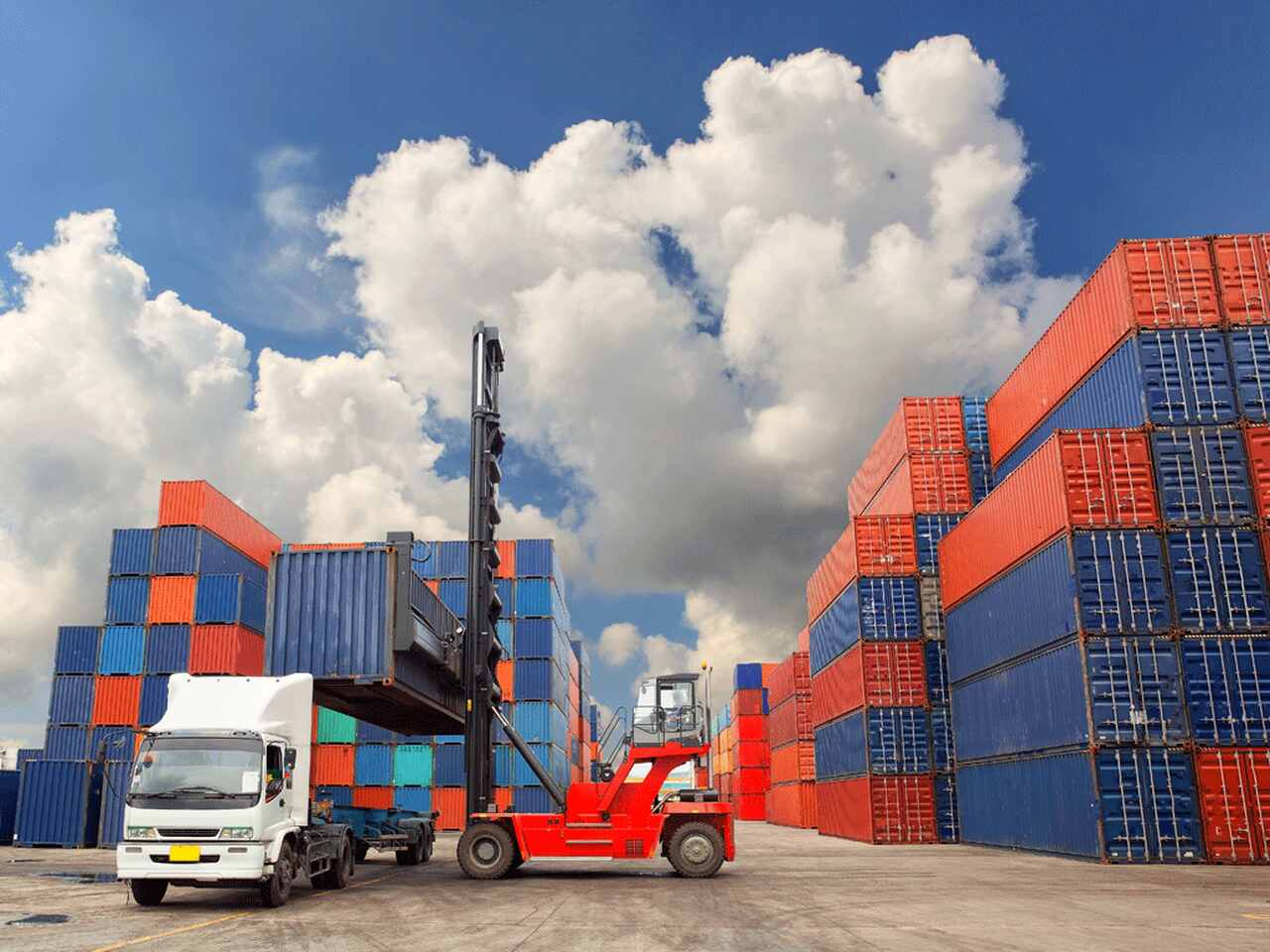
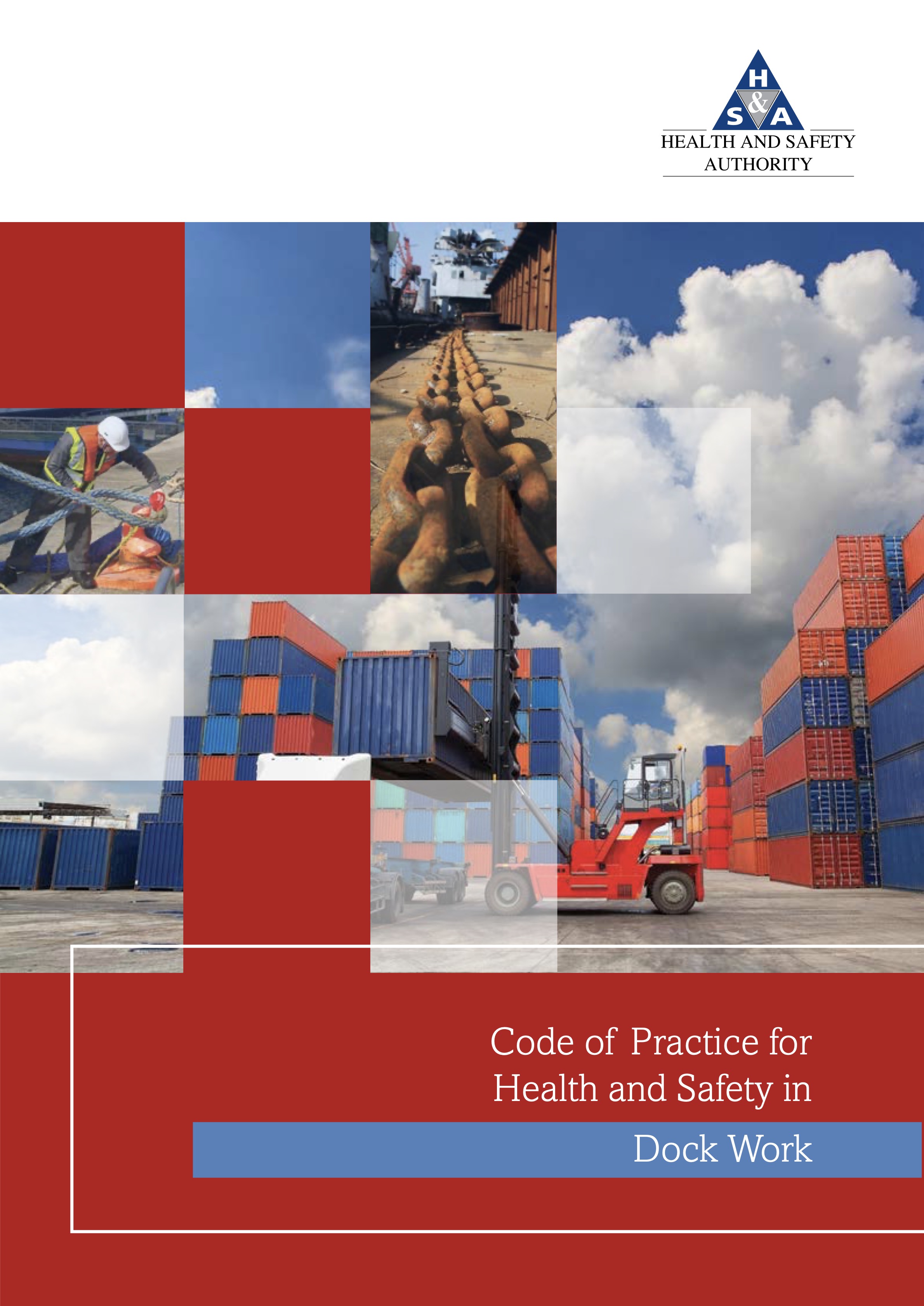
Safe ports make for efficient ports which are well positioned to support Ireland’s economy and create employment through export led growth. Ports and docks can be hazardous workplaces. Some hazards are unique to docks and ships, while others are common in many workplaces, but manifest themselves in unique ways in the docks environment. While every port is itself unique in terms of its physical configuration and range of activities, all work in ports and docks can be carried out safely provided the appropriate risk assessments have been carried out and the necessary control measures are communicated to those concerned, and implemented by them.
In December 2013, the Development Task Force was set up by the Minister and the MCG with participants across a range of organisations, encompassing public, private and the NGO sectors. The DTF was tasked with addressing four specific actions, namely:
The purpose of this report is to galvanise and effectively mobilise a range of State supports, enabling investment required to reach the economic goal of a Thriving Maritime Economy, and associated targets set out in Harnessing Our Ocean Wealth.
These ambitious targets require a very fundamental shift in Ireland’s efforts if they are to be achieved. Drawing on the rich experience of the members of the DTF, and the research and consultations undertaken by it, a set of robust recommendations have emerged. The recommendations should not be considered individually, but are best viewed as an integrated package.
The DTF’s work and the report’s outputs were informed by the following perspectives:

Five Departments which have a marine policy and / or a regulatory role and the Office of the Attorney General were represented on the Task Force. Areas examined by the Task Force included:
The Task Force benefited greatly from a number of expert presentations, video conferences and discussions, including liaison with marine spatial organisations in England, Scotland and Northern Ireland. The Task Force also benefited from two research studies commissioned on its behalf by the Marine Institute:
Marine spatial planning (MSP) is normally a statutory process carried out by public authorities. It involves extensive consultation, and employs Geographic Information Systems to collate and analyse spatial data relating to the uses, current and potential, of marine space and its goods and services. It seeks to manage, in an integrated and neutral manner, the spatial and temporal demands of the full range of marine sectoral policy objectives, the interaction between human activities and their pressures on the environment and to ensure effective linkages with terrestrial (landuse) spatial planning. It is important to emphasise that MSP is the process that delivers marine spatial plans and requires the involvement of policy makers, statutory bodies, stakeholders and the general public in their preparation, implementation, monitoring and review.
HOOW sets out the Government’s Vision, High-Level Goals, and Key ‘Enabling’ Actions to put in place the appropriate policy, governance and business climate to enable Ireland’s marine potential to be realised. As part of the implementation of HOOW, the MCG publishes an Annual Progress Report which coincides with an Annual Ocean Wealth Conference. Further information on Ireland’s integrated Marine Plan (HOOW) is available on www.ouroceanwealth.ie
Established in 1997, the EGFSN reports to the Minister for Education and Skills and the Minister for Jobs, Enterprise and Innovation.
The EGFSN Secretariat is a unit in the Strategic Policy Division of the Department of Jobs, Enterprise and Innovation (DJEI) and in conjunction with the Skills and Labour Market Research Unit (SLMRU) in SOLAS provide the Expert Group with research and analysis support.
Harnessing Our Ocean Wealth (HOOW) is Ireland’s Integrated Marine Plan (IMP), published in mid2012, setting out a roadmap for the Government’s vision, high-level goals and integrated actions across policy, governance and business to enable our marine potential to be realised. The implementation of the Plan will see Ireland evolve an integrated system of policy and programme planning for marine affairs. Ireland’s ocean is a national asset, supporting a diverse marine economy, with vast potential to tap into the global marine market for seafood, tourism, oil and gas, renewable ocean energy, training, maritime security and new applications for health, medicine and technology.
Ireland’s marine resources also provide essential non-commercial benefits such as amenity, biodiversity and our mild climate. Ireland’s marine ecosystems (i.e. offshore, inshore and coastline) are home to a rich and diverse range of species and habitats. This national asset offers significant potential for Ireland’s marine sector and needs to be protected, managed and developed for and by our citizens. The Government is determined to ensure that our ocean wealth will be a key component of our economic recovery and sustainable growth, generating benefits for all our citizens.
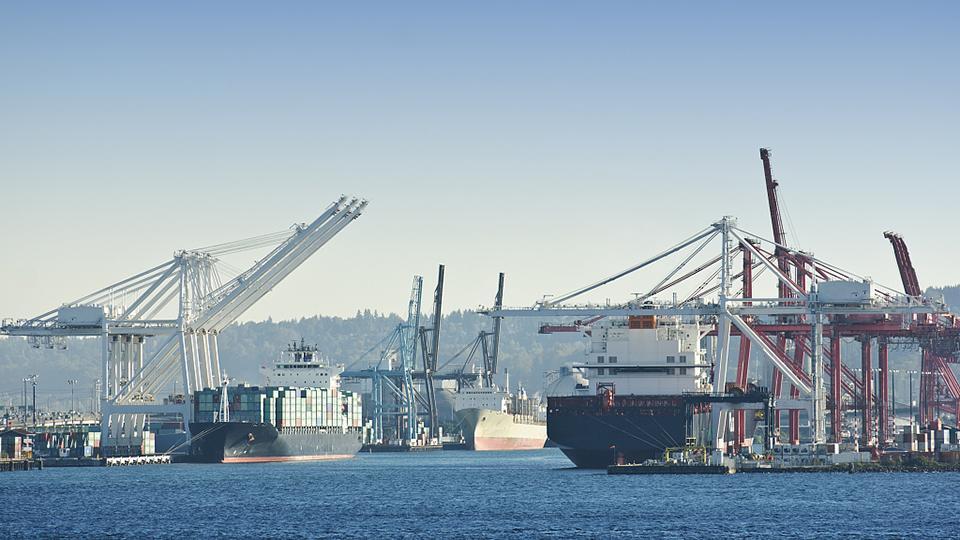
The 2013 Ports Study by the Irish Competition Authority evaluates the state of competition in Ireland’s ports sector, focusing on both inter-port (between ports) and intra-port (within ports) competition, particularly in the areas of Lo-Lo (lift-on/lift-off), Ro-Ro (roll-on/roll-off), and bulk cargo handling. The study was initiated at the request of the Minister for Jobs, Enterprise and Innovation to assess how competition in this sector supports national competitiveness.
Inter-port competition is limited due to:
Intra-port competition is crucial, especially in Dublin, due to:
Long-term leases and licensing in Dublin Port may restrict competition:
Lo-Lo terminals have leases of up to 110 years.
Stevedore services are limited to a few operators with long-standing licences, creating effective monopolies.
Data collection and performance metrics are inadequate, hampering effective policy-making and oversight.
The study highlights that while inter-port competition is structurally limited, there is significant scope to improve competition within ports, especially by revisiting long-term contractual arrangements and enhancing transparency and oversight. The recommendations are directed primarily at the Department of Transport, Tourism and Sport, and relevant port authorities.

Harnessing Our Ocean Wealth is an Integrated Marine Plan (IMP), setting out a roadmap for the Government’s vision, high-level goals and integrated actions across policy, governance and business to enable our marine potential to be realised. Implementation of this Plan will see Ireland evolve an integrated system of policy and programme planning for our marine affairs. Implementation of the Plan will, of course, have to be delivered within the over-riding medium-term fiscal framework and budgetary targets adopted by the Government.
Our ocean is a national asset, supporting a diverse marine economy, with vast potential to tap into a €1,200 billion global marine market for seafood, tourism, oil and gas, marine renewable energy, and new applications for health, medicine and technology. In 2007, Ireland generated 1.2% of GDP (€2.4bn direct and indirect Gross Value Added) from its ocean economy, supporting about 1% of the total workforce. Global marine economic activity is estimated to contribute 2% of the world’s GDP and the European Commission estimates that between 3% and 5% of Europe’s GDP was generated from sea-related industries and services in 2007. Many believe that we can achieve substantially more. This real opportunity demands a strong integrated cross-government plan of action.
Our marine resources also provide essential non-commercial benefits such as amenity, biodiversity and our mild climate. Ireland’s marine ecosystems (i.e. offshore, inshore and coastline) are home to a rich and diverse range of species and habitats. Our national asset offers significant potential for Ireland’s marine enterprises and sectors and needs to be protected, managed and developed for and by our citizens. The Government is determined to ensure that our ocean wealth will be a key component of our economic recovery and sustainable growth, generating benefits for all our citizens.